Skilled Roof Services: Secure Your Structure With Quality Skill
Investing in professional roof services is vital for safeguarding a home's structural integrity. Quality craftsmanship not only prevents common issues like moisture intrusion and wind damage but also enhances the property's overall value. Homeowners should evaluate the lasting advantages of experienced contractors who utilize high-quality materials. Recognizing the significance of these solutions can lead to improved choices for property care and safeguarding. What considerations should homeowners assess when choosing a roof specialist?
How Quality Roofing Maintains Your Home Investment
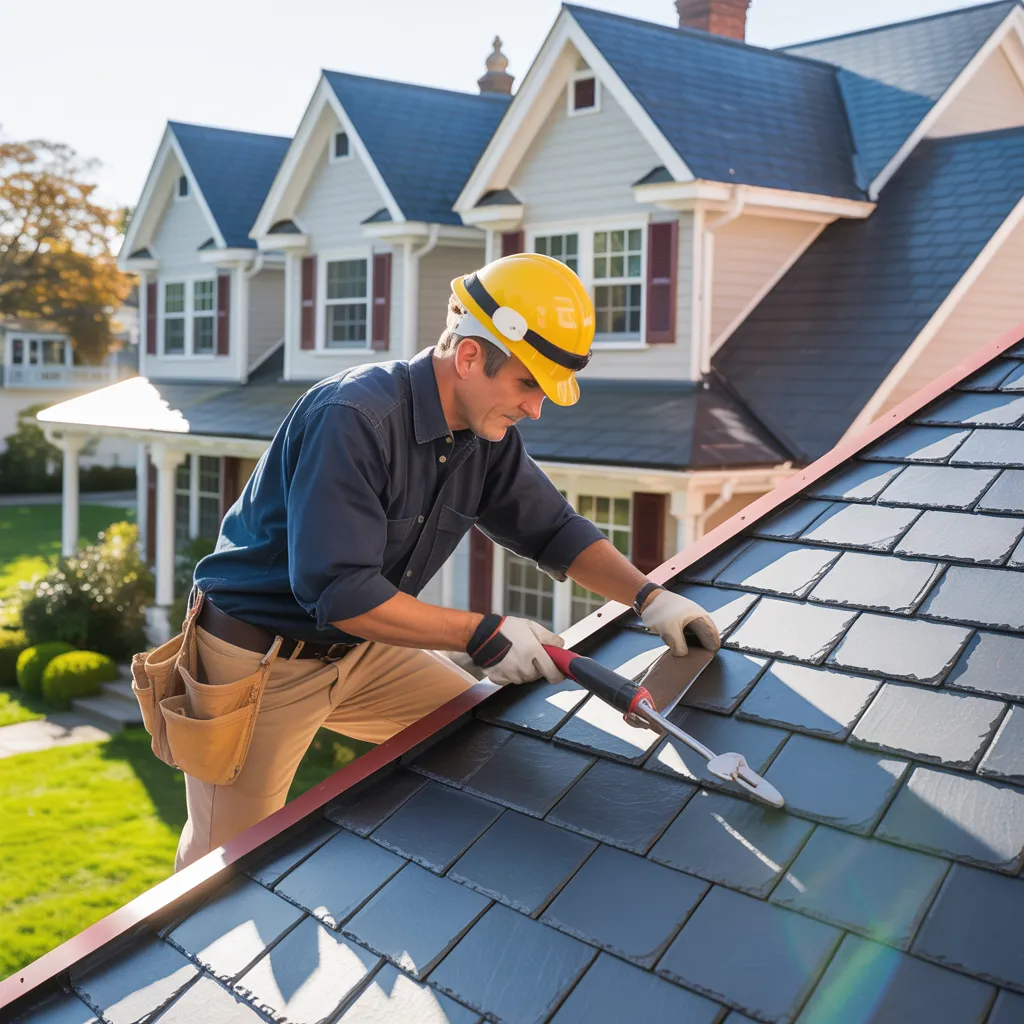
Quality roofing functions as a crucial barrier against the elements, defending a home's structural integrity and overall value. A expertly constructed roof blocks water infiltration, which can lead to mold, rot, and costly repairs. It also guards against wind damage and extreme temperatures, ensuring that insulation remains effective, thereby boosting energy efficiency. Quality materials, such as asphalt shingles or metal roofing, enhance longevity and minimize the need for frequent maintenance or replacement.
Furthermore, a quality roof improves visual appeal, increasing the home's marketability. Potential buyers are often discouraged by signs of roofing issues, which can decrease a property's resale value. Investing in quality roofing not only provides instant protection but also acts as a long-term financial commitment that pays dividends in the form of reduced insurance costs and increased equity. Homeowners who prioritize high-quality roofing finally secure their financial interests in the property.
Top 5 Reasons to Choose Professional Roofing Services
Choosing expert roofing services can greatly affect the longevity and reliability of a home’s roof. Firstly, experienced professionals have extensive knowledge and experience, confirming that installations and repairs adhere to industry standards. Secondly, expert roofing services often offer warranties, delivering peace of mind and protecting the homeowner’s investment. Thirdly, they use top-quality materials to improve durability and endurance against severe weather conditions. Fourthly, professionals ensure adherence to local building codes and regulations, mitigating the chances of legal problems in the future. Lastly, by hiring experts, homeowners gain efficient project completion, minimizing interruptions to daily life. These five factors highlight the importance of choosing expert roofing services to secure both the roof and the overall value of the home. Investing in professionals not only improves structural integrity but also enhances the long-term upkeep and visual appeal of a home.
Essential Qualities to Consider in a Roofing Contractor
When choosing a roofing contractor, several vital qualities are necessary for ensuring a successful project. Expertise and knowledge in the field, along with appropriate licensing and insurance, offer a foundation of reliability. Additionally, the use of quality materials can greatly impact the durability and effectiveness of the roofing solution.
Knowledge and Expertise
Navigating the field of roofing contractors requires a keen eye for experience and skill. Homeowners should focus on contractors with a proven history of successful projects, as this shows consistency and competence. Contractors with experience are usually versed in various roofing materials and techniques, guaranteeing they can address varied challenges effectively. Moreover, expertise commonly results in better problem-solving skills, which can prevent problems during installation or repairs. Employing a contractor with extensive knowledge also leads to helpful recommendations that enhance the roofing system's longevity and performance. In conclusion, selecting a contractor who represents both experience and expertise is crucial for safeguarding the integrity of your investment in roofing services.
Licenses and Insurance
A reputable roofing contractor should always have valid licensing and insurance, which are crucial signals of professionalism and accountability. Licensing confirms that the contractor adheres to industry standards and regulations, delivering peace of mind to property owners. It also shows the contractor's commitment to quality workmanship and compliance to safety protocols. Insurance, on the other hand, protects both the contractor and the homeowner from potential source liabilities. In the event of an accident or damage during the roofing project, adequate insurance coverage can avert costly financial repercussions. As such, confirming a contractor's licensing and insurance status is essential. Homeowners are advised to ask for documentation and confirm its validity before contracting any roofing services, guaranteeing a safer and more reliable roofing experience.
Top-Tier Elements Used
Quality supplies serve as essential elements in the longevity and performance of a roofing system. When selecting a roofing contractor, it is critical to inquire about the varieties of products they use. Premium shingles, underlayment, and flashing can greatly enhance resilience and defense to weather elements. Contractors should supply products that conform with trade requirements and have proven longevity. Additionally, efficiency-focused alternatives may assist in achieving reduced energy bills. Homeowners should also reflect on guarantees linked to products, as such assurances can reflect the producer's faith in their products. By emphasizing excellent supplies, homeowners can assure that their roofing investment is protected, ultimately contributing to minimized repair expenses and lengthened roof durability.
Popular Roof Types and Their Benefits
When exploring roofing options, homeowners commonly evaluate the benefits of various materials. Asphalt shingles, metal roofing, and tile roofing each showcase unique benefits that accommodate different needs and preferences. Understanding these materials can help in making a sound decision for long-term roofing solutions.
Asphalt Shingles Overview
Asphalt shingles remain one of the most commonly employed roofing materials due to their cost-effectiveness and flexibility. Available in a variety of colors and styles, they can enhance any architectural design, making them a preferred choice for homeowners. These shingles are composed of a fiberglass mat coated with asphalt and mineral granules, delivering durability and protection from the elements. Their simple installation process contributes to lower labor costs, further enhancing their appeal. Additionally, asphalt shingles typically have a lifespan of 15 to 30 years, depending on the quality selected. They also provide good fire resistance and can be recycled at the end of their life cycle, making them an eco-conscious option. Overall, asphalt shingles provide a cost-effective solution for roofing needs.
Metal Roof Merits
Metal roofing provides a strong alternative to traditional materials, known for its outstanding durability and lifespan. This roofing style can withstand severe weather, such as heavy rain, snow, and high winds, rendering it appropriate for a variety of climates. Additionally, metal roofs are protected to rust, corrosion, and pests, which additionally prolongs their durability. They are also energy-efficient, reflecting solar heat and possibly reducing cooling costs. Offered in various styles and colors, metal roofing improves a home's visual appearance while providing substantial worth. Moreover, many metal roofing options are made from recycled materials, presenting an eco-conscious choice. In summary, the advantages of metal roofing render it a compelling option for homeowners seeking durable defense and performance.
Advantages of Tile Roof
Tile roofing is recognized as another favored option among homeowners, renowned for its unique combination of visual appeal and practicality. One of the primary advantages of tile roofing is its long-lasting nature; tiles can withstand severe weather conditions, including heavy rain and extreme temperatures. Additionally, tile roofs are fire-resistant, providing an added layer of safety. Their longevity often surpasses that of other materials, rendering them a budget-friendly choice over time. Tile roofing also offers excellent insulation properties, which can help reduce energy costs. The variety of styles and colors available enables homeowners to improve their property’s curb appeal. Overall, tile roofing presents a solid investment, combining beauty, resilience, and effectiveness for discerning homeowners.
How Superior Construction Determines Roof Endurance
Quality expertise is important for ensuring a roof's lifespan and reliability. When skilled professionals execute roofing assignments, they use superior materials and meticulous techniques, which substantially affect the roof's resilience. Meticulous attention, from proper installation methods to adherence to building codes, minimizes vulnerabilities that could lead to leaks or structural damage.
Furthermore, skilled roofers recognize the particular needs of different roof types, letting them to modify their technique for superior functionality. This expertise not only improves the roof's lifespan but also guarantees that it can endure environmental challenges such as harsh weather conditions.
Investing in quality craftsmanship also leads to fewer repair needs over time, ultimately protecting homeowners from unexpected expenses. To sum up, the role of quality workmanship in roofing cannot be overstated; it is foundational for achieving a long-lasting and effective roof that protects one's investment.
Care Tips to Shield Your New Roof Expenditure
Safeguarding a fresh roof purchase requires preventative maintenance to guarantee its durability and functionality. Routine checks are essential; homeowners should inspect for evidence of deterioration or harm at least two times annually and following extreme weather conditions. Maintaining gutters and downspouts avoids water accumulation, which can lead to leaks. Additionally, clearing away debris such as leaves and branches helps maintain proper drainage.
Re-sealing and painting regions susceptible to weather exposure can extend the roof's life. Property owners should also verify proper ventilation in the upper space to avoid moisture accumulation and roof deterioration. It is advisable to trim protruding branches to minimize the danger of damage during severe weather.
Finally, hiring a professional roofing service for regular inspections can identify potential issues early, making sure the roof remains in ideal condition. By following these maintenance tips, homeowners can protect their investment and have confidence for years to come.
Often Asked Questions
What is the Timeframe for a Conventional Roofing Installation?
A regular roofing installation usually takes 1-3 days, determined by the size and complexity of the project. Weather conditions and the type of materials used can also affect the overall timeline markedly.
What Warranty Options Are Offered for Roof Installation?
Various assurances are accessible for roof solutions, featuring material coverage, workmanship protection, and extended warranties. These protections generally address defects and leaks, confirming the homeowner's asset is protected for a defined period after placement.
Can I Install a New Roof Over My Old One?
Certainly, installing a new roof over an old one is possible, if it meets local building codes and structural strength requirements. However, experts recommend stripping old layers for superior long-term results and protection coverage.
How Do Climate Factors Impact Roofing Installation?
Weather elements greatly impact roofing installation, as extreme temperatures, precipitation, and wind can alter material grip and resilience. Proper scheduling during suitable weather guarantees ideal performance and longevity of the roofing system.
What options Do I Have if My Roof Has Leakage?
In the event of a roof leak, you should halt water penetration initially, then inspect for the source of the leak. Temporary repairs can be made with tarp materials, while professional services is recommended for long-term fixes to prevent further damage.